
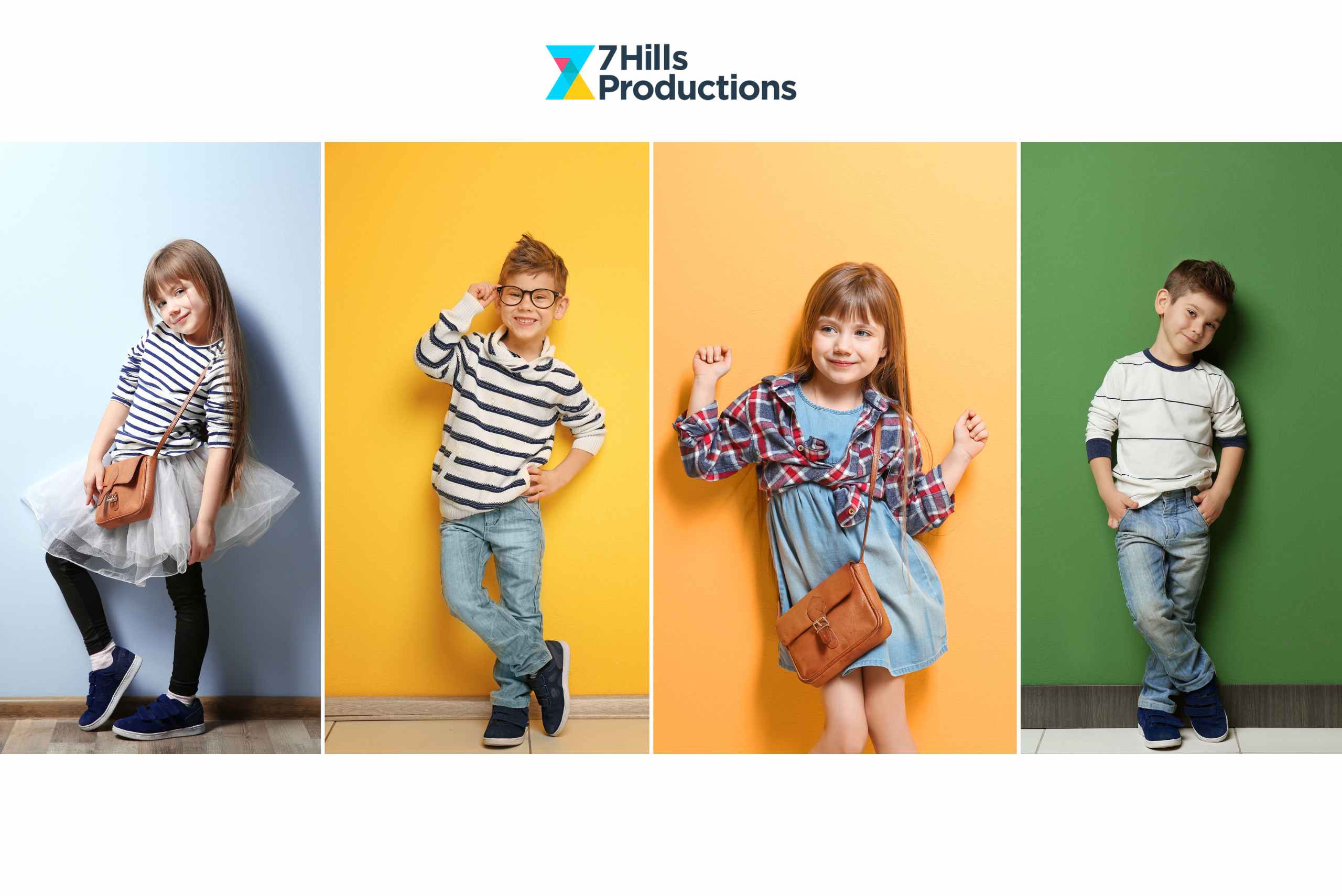
At 7 Hills Productions, we define excellence in corporate video production, recognizing that a compelling on-screen presence is crucial for success. Let us help you make a lasting impression whether it’s a corporate video, testimonial video, or interview video; your on-screen wardrobe can significantly impact the video’s overall look and feel. It’s important to remember that some colors and fabrics just don’t cooperate with the camera the way we’d like them to, while others come off looking impeccable every time. Corporate video production wardrobe tips should help you on your next video project.
At 7 Hills Productions, we often field questions about what to wear on camera. Hence, we’ve compiled a handy list of do’s and don’ts for your wardrobe needs!
Below are the corporate video production wardrobe tips for you!
The Ultimate Guide to On-Camera Wardrobe
Look your best, sound your best, and help the camera focus on your message.
Video is unforgiving. Unlike the human eye, a camera sensor struggles with high contrast, intricate patterns, and reflective surfaces. Your wardrobe choices directly impact the technical quality of the footage.
Here is an expanded breakdown of how to dress for a successful shoot.
Part 1: Color Strategy
The camera interprets color differently than our eyes. Your goal is to separate yourself from the background without “blowing out” the image.
1. Embrace Pastels and Pale Colors (The “Safe Zone”)
Cameras love soft colors. Bright white can reflect too much light (causing you to glow), while deep black can suck up light (turning you into a floating head).
-
The Fix: Use “Mid-tone” pastels. They provide texture and separation from the background.
-
Best Options: Chambray blue, sage green, lilac, soft teal, or dusty rose.
-
Example: instead of a stark white button-down, wear a light blue Oxford shirt. It looks white on camera but holds detail better.
2. Opt for Earth Tones & Solids
Solids are always better than patterns. Earth tones are universally flattering across skin tones and generally convey trust and stability.
-
The “Power” Color: Navy Blue or Royal Blue are the safest, most professional colors for video. They rarely clash with backgrounds.
-
The Palette:
| Color Family | Ideal For | Emotions Conveyed |
| Blues | Navy, Teal, Sky | Trust, Logic, Calm, Professionalism |
| Earths | Camel, Brown, Forest Green | Warmth, Authenticity, Groundedness |
| Grays | Charcoal, Slate, Heather | Neutrality, Modernity, Sophistication |
⚠️ Warning: Green Screen Shoots
If you are filming in front of a Green Screen (Chroma Key), do not wear green. You will become invisible. If it’s a Blue Screen, avoid blue. Always ask the producer beforehand!
Part 2: Texture and Fabric (Technical Requirements)
This section is about physics: how light hits you and how microphones hear you.
3. Choose Natural Fabrics (Wool & Cotton)
Synthetic fabrics like polyester, rayon, or silk often have a “sheen” to them. Under bright studio lights, this creates “hot spots” (bright white reflections) on your shoulders and chest.
-
Why Natural? Cotton and wool are matte. They absorb light rather than reflecting it, smoothing out your silhouette.
-
The Audio Factor: Synthetics are noisy. If you move, a stiff polyester shirt creates a “swishing” sound that lavalier microphones pick up. Soft cotton is silent.
4. The “Moiré Effect” (Why Patterns are Dangerous)
This is the most critical technical rule. Tight patterns (pinstripes, herringbones, small checks) confuse camera sensors, creating a vibrating, rainbow-like ripple effect called Moiré.
-
The Rule: If the pattern is smaller than a quarter, leave it at home.
-
Tie Choices: Avoid tight stripes. Go for solids with a matte texture (knit ties are excellent for video) or large, bold patterns.
Part 3: Branding & Authenticity
Your clothes tell a story before you even speak.
5. Stay Authentic to Your Role
The audience has visual expectations based on your job title. Disconnects create distrust.
-
The CEO: A suit or blazer implies authority.
-
The Creative: A hoodie or smart-casual shirt implies innovation.
-
The Field Expert: If you are a mechanic, don’t wear a tuxedo. Wear a clean version of your work uniform.
-
Visual Logic: If you are filming a “Day in the Life” video, don’t wear a three-piece suit to sit in your living room.
6. Consider Your Audience
Who are you talking to? Mirror the attire of the person you want to influence, plus one degree of polish.
-
Corporate Audience: Blazer, collared shirt, no tie (Smart Business).
-
Gen Z / Social Media: High-quality T-shirt, clean denim, stylish sneakers.
-
Investors: Formal business attire.
7. Be Mindful of Logos
Unless you are being paid to advertise Nike or Gucci, don’t wear their logos.
-
The Distraction: A large logo pulls the eye away from your face.
-
The Legal Issue: Some broadcasters or platforms may flag content for unauthorized trademark usage.
-
The Time Capsule: Trendy logos date your video. A plain shirt is timeless.
Part 4: Preparation (The Logistics)
8. Variety is Key (The “Rule of Three”)
Never arrive with just the clothes on your back. Spills happen, sweat happens, and sometimes a color just looks bad on the monitor.
-
Option A ( The Hero): The outfit you want to wear.
-
Option B (The Safety): A different color (e.g., if A is Blue, make B Grey) in case you clash with the background.
-
Option C (The Comfort): Something slightly more casual, just in case the vibe changes.
9. Accessories & Grooming Checklist
Wardrobe isn’t just fabric. It’s the whole package.
| Item | Suggestion | Why? |
| Glasses | Anti-reflective coating is a must. | Studio lights reflect in glasses, hiding your eyes. Contact lenses are preferred if possible. |
| Jewelry | Keep it simple and silent. | Dangling earrings or stacked bracelets jingle near the mic. Large necklaces can rub against the mic. |
| Undershirts | V-Necks only. | A visible white crew-neck t-shirt popping out under a dress shirt looks messy. |
| Makeup | Bring blotting papers/translucent powder. | Even if you don’t wear makeup, studio lights generate heat and oil. You will need to reduce shine. |
Summary: The “Go-Bag” Packing List
To ensure you are fully prepared, here is a quick packing list for your shoot day:
-
[ ] 1 Solid Dark Jacket/Blazer (Navy or Charcoal)
-
[ ] 2 Shirt Options (One Blue/Pastel, One Neutral)
-
[ ] 1 Pair of Dark Trousers/Jeans (Comfortable for sitting)
-
[ ] Clean Shoes (They might be in the shot!)
-
[ ] Translucent Powder (For anti-shine)
-
[ ] Lint Roller
Wardrobe Don’ts: Avoid Common On-Camera Mistakes
1. Say No to Wrinkles
Avoid fabrics like linen that wrinkle easily. Wrinkles can appear as shadows or even seem to vibrate on camera, which can be distracting.
2. Avoid Baggy Outfits
Baggy clothing can add unwanted bulk on camera, making you appear larger than you are. Choose well-fitted attire to maintain a sharp, professional look.
3. Ditch the Shine
Shiny accessories like tie tacks, cufflinks, or buttons can cause distracting reflections on screen. Stick to matte finishes to avoid these issues.
4. Be Cautious with Silk
While silk feels luxurious, it can cause sound issues when rustling against clip-on mics. Consider alternative fabrics that won’t interfere with audio quality.
5. Steer Clear of Tight Patterns
Tight patterns such as stripes, checks, and herringbone can create a moiré effect on camera, making the image appear to vibrate. Opt for solid colors or larger, more camera-friendly patterns.
6. Watch Out for Saturated Colors
Super saturated colors like bright oranges, yellows, and reds can overpower the screen and look unprofessional. Stick to more muted tones for a balanced appearance.
7. Consider Your Complexion
Avoid very bright whites or dark shades, as they might wash out your complexion or create harsh contrasts on screen. Choose colors that complement your skin tone for the best results.
Stay Authentic: Reflect Your Everyday Work Attire
Mirror Your Daily Wardrobe
When shooting a work-related video, it’s important to stay true to what you wear on a regular day at work. Your on-camera appearance should reflect the reality of your daily office environment. This authenticity not only makes you feel more comfortable but also ensures that the video resonates with viewers who may be familiar with your work setting.
Why Authenticity Matters
- Builds Trust: Viewers are more likely to trust and connect with someone who appears genuine. Wearing your typical work attire helps maintain this trust.
- Enhances Comfort: When you wear something familiar, you’ll feel more at ease, which translates to a more natural and confident on-screen presence.
- Maintains Consistency: If your colleagues or clients see you regularly, maintaining a consistent appearance in the video helps avoid any disconnect or confusion.
Match the Culture of Your Workplace
Your outfit should also align with the culture and dress code of your workplace. Whether your office leans towards formal, business casual, or creative attire, your video wardrobe should mirror this to accurately represent your company.
Aligning with Company Culture
- Formal Environments: If your workplace has a formal dress code, opt for suits, blazers, and polished accessories that reflect this level of professionalism.
- Business Casual Settings: In more relaxed environments, consider wearing smart casual attire, such as dress shirts, blouses, or well-fitted pants that convey professionalism without being overly formal.
- Creative Industries: For workplaces in creative fields, you might have more flexibility. Choose outfits that express your personal style while still appearing polished and camera-ready.
Bonus: Best Body Language and Posture Tips for On-Camera Success
At 7 Hills Productions, we know that your body language and posture are just as important as your wardrobe when it comes to creating a strong on-screen presence. Here are some essential tips to help you look confident and engaging on camera:
1. Maintain Good Posture
- Sit or Stand Tall: Keep your back straight and shoulders relaxed. Good posture not only makes you look more confident but also helps project your voice clearly.
- Avoid Slouching: Slouching can make you appear less confident and disengaged. Stay mindful of your posture throughout the shoot.
2. Use Natural Gestures
- Keep It Simple: Use natural hand gestures to emphasize points, but avoid excessive movements that can be distracting.
- Stay Within Frame: Ensure your gestures stay within the camera frame to maintain a polished appearance.
3. Make Eye Contact
- Look at the Camera: Treat the camera lens as if it were the eyes of your audience. Direct eye contact helps build a connection and conveys confidence.
- Avoid Shifting Eyes: Keep your gaze steady to avoid appearing nervous or unsure.
4. Smile and Relax
- Be Genuine: A genuine smile can make you appear approachable and confident. It also helps to create a positive atmosphere.
- Breathe Deeply: Take deep breaths to calm any nerves and maintain a relaxed demeanor.
5. Be Aware of Your Movements
- Avoid Fidgeting: Stay still and avoid nervous habits like tapping your fingers or shifting your weight. These can be distracting to viewers.
- Keep Feet Planted: If standing, keep your feet firmly planted to maintain stability and prevent unnecessary movement.
6. Practice Active Listening
- Nod Occasionally: Show that you are engaged by nodding slightly when others are speaking, which signals attentiveness and respect.
7. Dress Comfortably
- Wear Comfortable Clothing: Ensure your outfit allows you to move naturally without restricting your movements or causing discomfort.
By focusing on good posture and mindful body language, you can enhance your on-screen presence and connect more effectively with your audience. At 7 Hills Productions, we’re dedicated to helping you look and feel your best on camera, ensuring your video projects achieve the impact you desire